Allergies, Mold and Indoor Air in the Puget Sound Area: A Season-by-Season Guide
Tree pollen, damp-season mold and late-summer wildfire smoke all affect indoor air around Redmond. Here's what to expect each season and what you can do at home.
The Pacific Northwest's mild, wet climate keeps everything green, and that means pollen, mold and moisture are part of life in Redmond, Kirkland and Woodinville. Here's what to expect each season and what you can do about it.
Season by season
Late winter to spring (February to May): tree pollen
Alder and hazel start releasing pollen as early as February, followed by birch, cedar, maple and oak. Spring is usually the hardest season for people with tree allergies.
Early summer (May to July): grass pollen
Grass pollen peaks in late spring and early summer, especially on dry, breezy days.
Late summer (July to September): wildfire smoke
Smoke from fires in Washington, Oregon and British Columbia regularly settles over Puget Sound. Fine smoke particles get indoors even with windows closed.
Fall and winter (October to March): mold and indoor allergens
The rainy season brings high outdoor humidity and mold spores. Homes are closed up, so moisture from cooking, showers and laundry builds up, and dust mites thrive in damp conditions. Crawl spaces and ducts that run through them can develop musty odors.
How allergens and moisture get inside
- Through open doors and windows
- On clothing, shoes and pets
- Through leaky ducts in crawl spaces and attics
- From moisture produced inside the home
Once inside, particles settle and get pulled into return vents. If the filter is loose or overdue, some end up in the ductwork.
Practical steps at home
- Change the HVAC filter regularly, every 1 to 3 months, and after a smoke event.
- Control moisture. Run bathroom and kitchen fans, keep indoor humidity below 50% in winter, and use a dehumidifier if needed.
- Keep the crawl space dry with a good vapor barrier and ventilation.
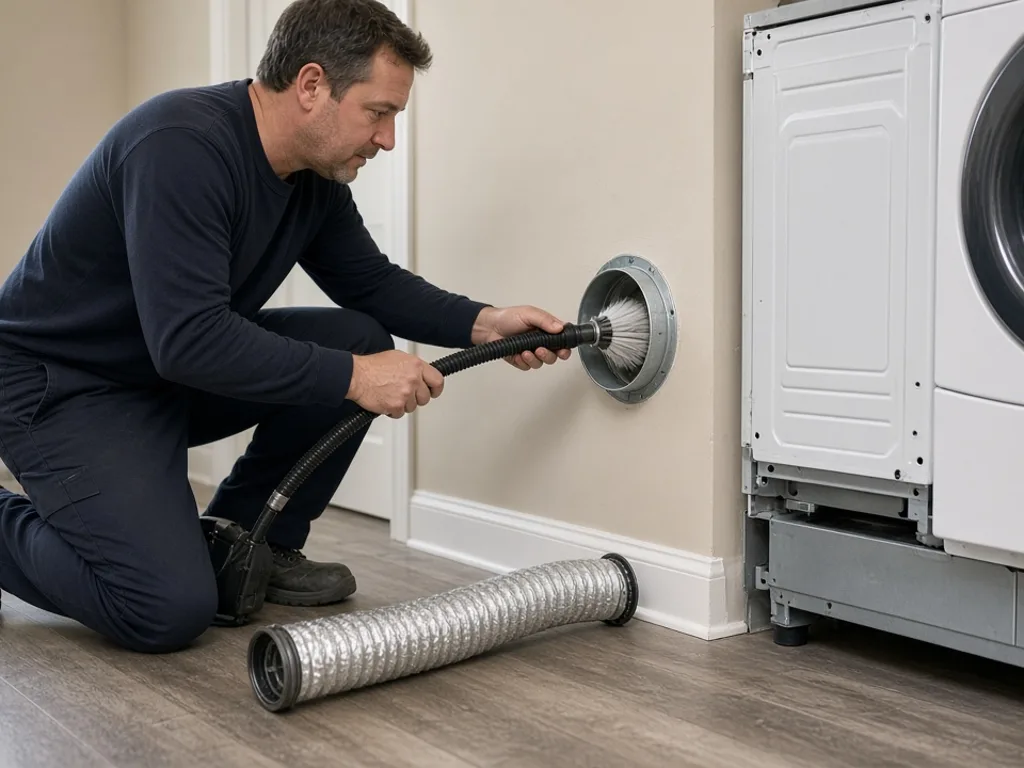
- Make sure the dryer vents fully outdoors and is clear of lint.
- Use a portable HEPA purifier in bedrooms during smoke season.
- Wash bedding weekly in hot water and vacuum with a HEPA vacuum.
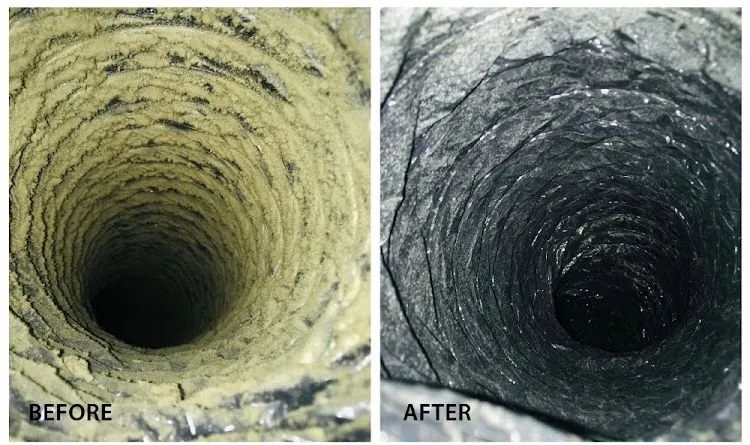
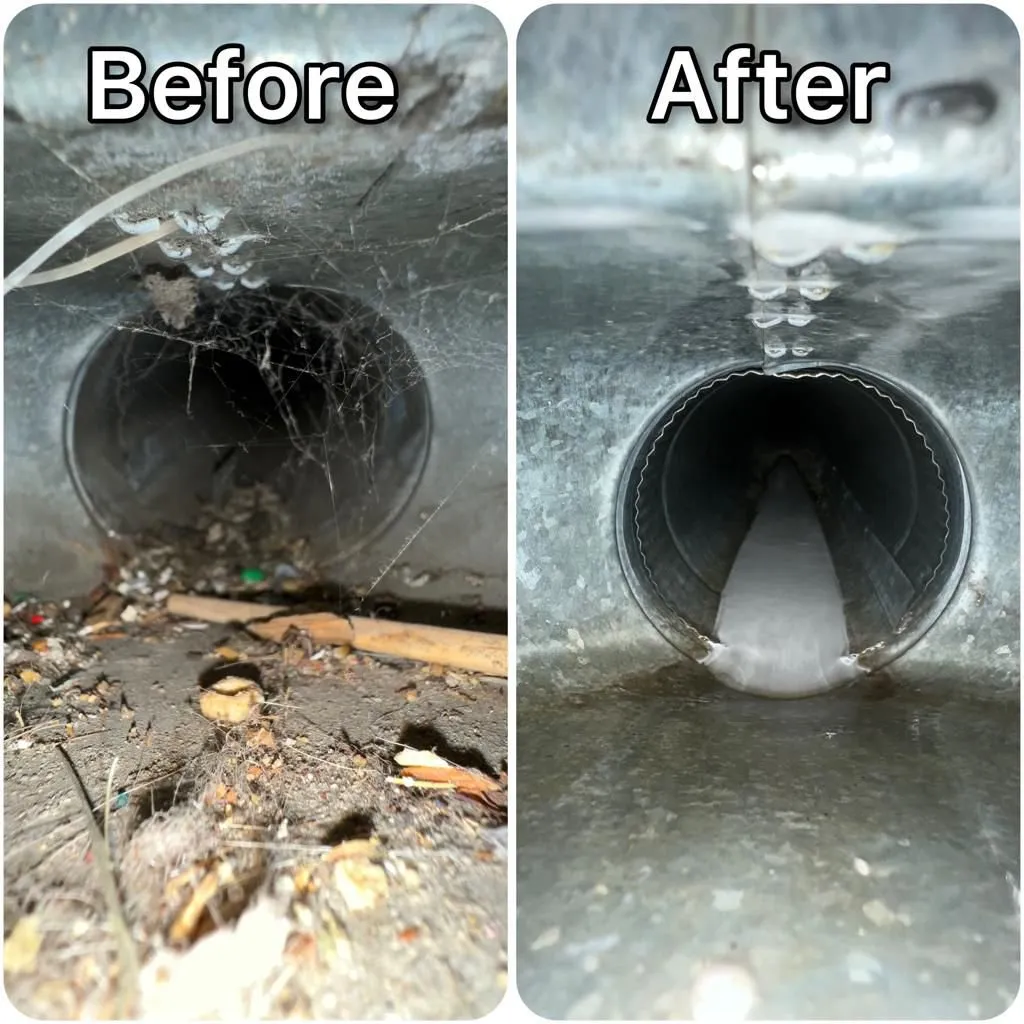
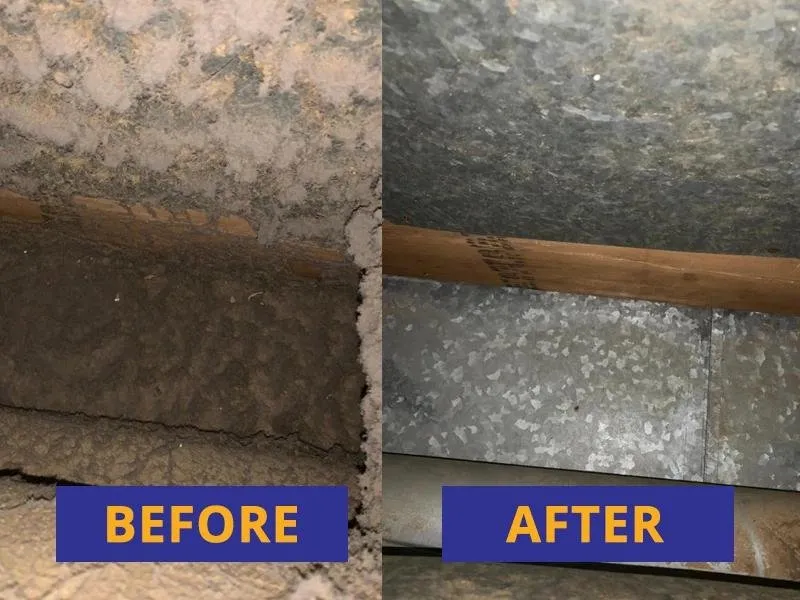
- Have the ductwork cleaned when there are musty odors, visible dust and debris, or after renovations or smoke exposure.
What duct cleaning does and doesn't do
Duct cleaning removes the dust and debris that has built up in your system. It isn't a medical treatment, and the EPA notes that duct cleaning has never been shown to actually prevent health problems, so we don't present it as a fix for allergy symptoms. If symptoms are a concern, talk with your doctor. If you see visible mold, it's important to fix the moisture source too.
Get your ducts cleaned
Moment Air Duct Cleaning Redmond offers air duct cleaning for $199 for up to 10 vents ($29 per additional vent), including roto-brush and HEPA vacuum cleaning. Call (206) 339-8965 or request a free estimate.